Loading...
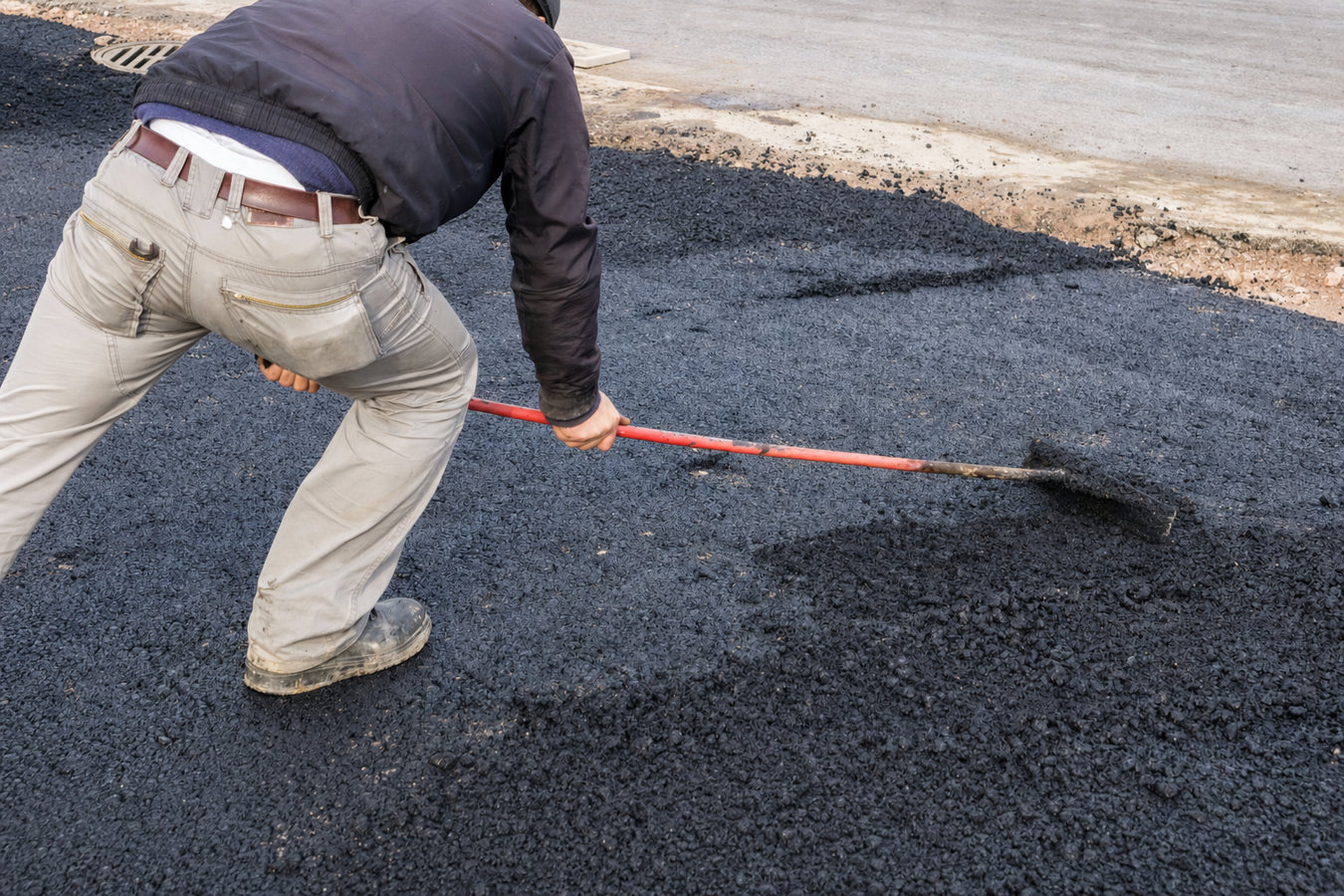
Cracks and potholes only get bigger. Every rainy season pushes more water into the base. We fix the damage now and address what caused it, so the repair holds.
Asphalt repair in Porterville means removing or treating the damaged section and filling it with fresh material that bonds to the surrounding pavement, most jobs complete in a few hours to one day and the surface is ready for vehicles within 24 to 48 hours.
The most important part of any repair is what happens before the new asphalt goes in. We clean out the damaged area, check whether the base underneath is still solid, and cut clean edges so the new material bonds tightly rather than separating at the seam. In Porterville, where clay soils move with the wet-dry cycle every year, skipping the base assessment means the same spot will fail again within a season.
For narrow surface cracks that have not yet let water reach the base, our asphalt crack sealing service is often the right first step. For potholes, sunken areas, or alligator cracking where the base is involved, we use a cut-and-patch approach that addresses the root cause rather than just covering it over.
A crack that was small last year and is wider or longer now is letting water into the base. In Porterville, the combination of summer UV and winter rain accelerates this - a minor crack in spring can become a serious base problem by fall. Acting before the rainy season is almost always the cheaper path.
A hole or depression means the base material beneath the surface has been compromised, often by water that entered through a crack and softened the layer below. Potholes do not heal themselves - they grow with each rain season, and the longer you wait, the more material needs to be replaced.
The interconnected crack pattern that looks like reptile skin tells you the base layer has failed in that area. This is common on Porterville driveways where clay soil movement has stressed the pavement from below for years. Surface patching will not hold here - the section needs to be cut out and rebuilt.
Driveway edges are the most vulnerable point, especially where pavement meets soil or irrigated landscaping. When the edge crumbles, water is working underneath and the damage moves inward. Homeowners with lawn or garden irrigation running along the driveway edge often see this pattern first.
Not every crack or damaged spot requires the same fix. For isolated cracks that have not yet let water reach the base, our asphalt crack sealing fills them with a flexible material that moves with the pavement through temperature changes and keeps future water out. For potholes and areas where the base is compromised, we use a saw-cut patch: cutting clean, straight edges around the damaged section before removing it and rebuilding the base before placing new asphalt.
When damage is extensive enough that patching multiple sections no longer makes economic sense, we can discuss a full pothole repair program or a full resurfacing plan that addresses the entire surface at once. In either case, the goal is the same: fix what caused the damage, not just the visible symptom.
Best for potholes, alligator cracking, and sunken sections where the base has failed and needs to be rebuilt before new asphalt is placed.
Suited for cracks that are too wide for sealer alone but have not yet compromised the base - filled with hot or cold mix asphalt and compacted flush.
Targets the driveway perimeter where crumbling edges allow water intrusion - the most common early sign of asphalt failure in the Valley.
Most of the country worries about freeze-thaw cycles cracking their pavement. In Porterville, the main enemies are different: sustained summer heat that dries out and oxidizes the surface, and clay soils that move with the seasonal wet-dry cycle. When the ground absorbs moisture from winter rain and then contracts in the dry heat of summer, it puts stress on whatever sits on top. Driveways that were installed without accounting for this movement - improper base depth, poor drainage grading - show the damage first. You see it as recurring cracks in the same location, soft spots after wet winters, and edges that keep crumbling.
Homeowners in Lindsay and Exeter face the same soil and climate conditions and call on us for the same repairs. Knowing the local ground means we check the base and drainage before placing any new material - which is the difference between a repair that holds for a decade and one that fails again by next spring. Legitimate Asphalt Institute guidance is clear that sub-base assessment is required for lasting repairs - not a premium option.
Describe what you are seeing - cracks, a pothole, sunken areas, crumbling edges. We respond within one business day and schedule a free on-site estimate at your convenience.
We walk the area, probe any soft spots, and determine whether the damage is surface-level or has reached the base. This is the step where we find out whether a simple patch or a cut-and-patch rebuild is the right approach - and we explain the reasoning so you can make an informed decision.
The crew cleans out the repair zone, cuts straight edges around the damaged section if needed, and addresses the base before placing any new asphalt. Clean edges and a solid base are what make a repair last - skipping either step is what causes the same spot to fail again.
Fresh hot-mix asphalt is placed in layers and compacted to sit flush with the surrounding surface. Stay off the area for at least 24 to 48 hours. Your contractor will walk you through the finished repair and discuss whether a sealcoat over the repaired area makes sense as a follow-up step.
We will come out, assess the damage, and give you a clear written quote - no guessing, no pressure. Spring repairs prevent summer heat from pushing those cracks deeper.
(559) 854-8049A patch placed over a failed base will fail again in the same spot - guaranteed. Before any new material goes down, we probe for soft spots and check the sub-base condition. If the base needs work, we do that work first. That is what makes the difference between a repair that holds for years and one that falls apart by next spring.
Expansive clay soils that swell in winter and shrink in summer are a specific challenge in this part of California. Contractors who do not account for soil movement when assessing a repair will miss the root cause. We know what the ground here does and build our repairs to handle it - including drainage corrections where water is contributing to the problem.
We follow National Asphalt Pavement Association best practices for material selection and placement - including the right mix for the temperatures we work in here. Using the correct hot-mix asphalt for Porterville conditions means compaction is solid and the repair bonds properly to the surrounding pavement.
If your driveway has failed broadly and repeated repairs would cost more than replacement, we will tell you that clearly and explain why. We would rather give you an honest recommendation that saves you money in the long run than sell you a patch that will not hold. The goal is a fix that actually solves your problem.
These are the practices that separate a repair that lasts from one that fails by the next wet season. When you call us, you get a crew that treats your driveway the way they would treat their own.
Seal narrow surface cracks with flexible material before water reaches the base and turns a small job into a large one.
Learn MoreTargeted pothole filling and base rebuilding for properties with multiple holes or heavily deteriorated sections.
Learn MoreSpring is the best window to fix damage before the dry season pushes cracks deeper and turns a repair into a full replacement. Call or get a free estimate today.