Loading...
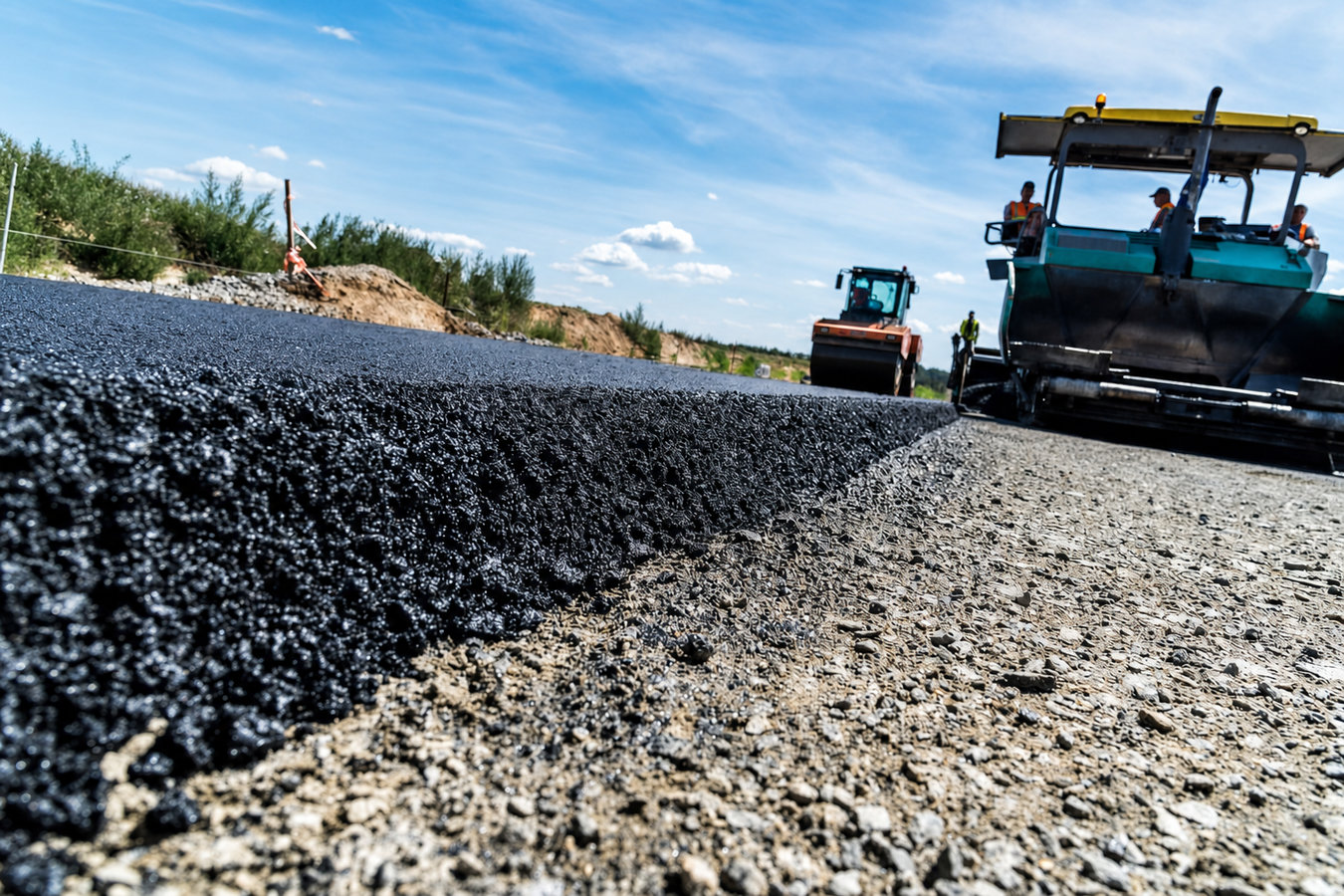
Patching over a failing surface just delays the same problem. Asphalt milling grinds away the damaged layer so your new pavement bonds to a solid base - and lasts years longer.
Asphalt milling in Porterville is the process of grinding down the top layer of a worn or damaged surface using a machine with rotating cutting teeth, removing the failed material so a fresh asphalt layer can bond to a clean, stable base - most residential driveways can be milled in a few hours.
Valley homeowners often try to extend a driveway's life with repeated patches or overlays. Those fixes work when damage is limited to a small area - but when cracking, rutting, or oxidation has spread across most of the surface, milling is the honest answer. Laying new asphalt over a failing base just traps the problem, and the new layer starts failing on the same timetable as the old one. After milling, the contractor inspects the exposed base and addresses any soft spots before new asphalt goes down. If your property also has drainage concerns, our asphalt resurfacing service coordinates the full project - milling, base repair, and a fresh surface - in one scheduled visit.
One practical benefit of milling over a full tear-out is height management. Grinding the old surface down keeps the finished driveway at the correct height relative to your curb, garage threshold, and drains - so the new pavement does not create a bump or step where it transitions.
When cracks have spread across a wide area rather than appearing in isolated spots, the top layer has reached the end of its useful life. Patching individual cracks at this stage is like putting bandages on a surface that needs a fresh start - milling removes the failed material and the new layer goes down on something solid.
Rutting and uneven spots are common in Porterville's heat, where heavy vehicles parked on softened asphalt leave permanent impressions over time. Low spots also collect water, which speeds up further damage. Milling grinds away the deformed layer so the new surface can be laid flat, with proper drainage slope established from the start.
Standing water after rain or irrigation means your surface has lost its proper slope - either from settling soil or from years of wear. Poor drainage accelerates pavement failure, and milling gives the contractor the chance to re-establish the correct grade before laying new asphalt. In Porterville, where irrigation is part of daily life on many properties, this matters more than most homeowners realize.
Fresh asphalt is dark and slightly flexible. Years of San Joaquin Valley sun oxidize the surface, turning it gray and making it brittle. A heavily oxidized driveway has lost much of its binding strength and is prone to cracking with any soil movement beneath it. If your driveway looks more gray than black and feels rough underfoot, the surface layer needs to come off.
We handle milling for residential driveways, private parking areas, and commercial lots across Porterville and the surrounding Tulare County area. The milling machine grinds the existing asphalt to a contractor-specified depth - anywhere from an inch or two for surface-level cracking and rutting, to a deeper cut when damage has worked its way further down or when the finished height needs to be lowered to match a drain or curb. After milling, the ground-up material is loaded into trucks and hauled away. In most cases it is recycled back into new asphalt mix at an asphalt plant - one reason asphalt is considered a highly recyclable paving material. For properties where we follow the milling with a full repave, our drainage solutions team can adjust grading and add channel drains at the same time, so water management and surface quality are both addressed in one project.
Milling is almost always the first step in a repaving project, not a standalone fix. Once the old surface is ground away, we inspect the base underneath. If it is solid, new asphalt goes down right away. If there are soft spots or drainage problems in the base, those are repaired before paving. Skipping that base inspection is a common shortcut that leads to early failure - we point out any base issues and explain exactly what needs to be done before proceeding.
Suited for homeowners with widespread cracking, rutting, or oxidized asphalt who need a fresh surface that starts on a clean, solid base.
For commercial property owners and HOAs where a large surface area needs to be ground down and repaved without disrupting curb heights or drain elevations.
Used when only the top inch or two of the surface has failed and the base is still sound - removes the bad layer without unnecessary cost.
A complete solution: mill the failed surface, inspect and repair the base, then lay new asphalt - the most durable outcome for a surface that has reached the end of its life.
Unlike most of the country, Porterville does not experience freeze-thaw cycles that crack pavement by pushing water in and out of surface gaps all winter. The culprit here is different: expansive clay soil found across much of Tulare County. Clay swells when it absorbs winter rain - including irrigation that saturates the base beneath paved areas on larger lots - and then shrinks back during the long dry summer. That movement pushes and pulls the asphalt above it, causing cracking and unevenness that has nothing to do with the quality of the original paving job. Homeowners in Woodlake and other valley communities see this pattern repeat on driveways that otherwise look well-maintained.
The other local factor is the intensity of the Valley sun. Months of direct heat above 100 degrees oxidize asphalt faster here than in cooler climates, turning surfaces gray and brittle within a decade even on driveways that started out well-paved. When milling removes that oxidized layer and new asphalt goes down, the fresh surface starts dark, dense, and far more resistant to the next round of sun and soil movement. Homeowners in Exeter and nearby communities face the same climate conditions, and the milling-and-repave approach consistently outperforms overlays in the long run.
Describe your surface - approximate size, what problems you are seeing, and whether it is a driveway, parking area, or private road. We reply within one business day to schedule an on-site visit, because an accurate quote requires seeing the surface in person.
We walk the surface, check the existing asphalt depth and condition, assess drainage patterns, and identify obstacles - planters, pillars, utility covers - that affect equipment access. You get a written quote that breaks out milling, any base repair, and new paving separately.
The milling machine grinds the asphalt to the specified depth while crew members manage millings into waiting trucks. The work is noisy and produces fine dust, so expect disruption for the hours the machine is running. Once milling is complete, the surface is swept and blown clean so new asphalt bonds properly.
With the old surface removed we inspect the base for soft spots and repair any unstable areas before paving. New asphalt is laid, spread, and compacted. We do a final walkthrough to confirm the surface looks right, drainage is correct, and we give you a specific recommendation on when to put vehicles back on it.
We come to your property, assess the surface and base condition, and give you a written quote that is honest about what the job actually requires. No high-pressure upsells.
(559) 854-8049After milling we inspect the exposed base for soft spots and drainage problems before new asphalt goes down. This step is the most common shortcut in the industry - skipping it is how a new surface starts failing in two years. We do not offer to skip it, and we explain what we find before doing anything extra.
Clay soil movement in Tulare County means finished grade and drainage slope matter as much as asphalt thickness. We set the milling depth to correct low spots and re-establish proper slope, so the new surface sheds water the way it should rather than letting it pool and work into the base.
The ground-up asphalt from your driveway goes to an asphalt plant to be processed and blended back into new mix. Reclaimed asphalt is one of the most recycled materials in construction. If you want to keep a portion of the millings for unpaved areas on your property, ask us before the job starts.
California requires contractors to hold a state license for paving work, and you can verify ours through the California Contractors State License Board before signing anything. A licensed contractor carries the accountability and insurance that protect you if something unexpected happens on your property.
Milling is not a complicated process, but doing it right - correct depth, clean edges, proper base follow-up - is what separates a driveway that lasts from one that needs attention again in two years. Verify contractor credentials before you hire at the California Contractors State License Board. For more on why asphalt recycling matters, the National Asphalt Pavement Association publishes resources on reclaimed asphalt pavement and sustainable paving practices.
Address water pooling and base saturation problems before or alongside a milling and repave project to protect the new surface long-term.
Learn MoreThe full resurfacing process - milling, base repair, and a fresh asphalt layer - carried out as a single coordinated project for lasting results.
Learn MorePorterville summer scheduling fills fast. Call now or request an estimate and we will come out, assess your surface, and give you a straight answer on what it actually needs.